 Cockroaches
 Rats
 Mice
 Bed Bugs
 Ants
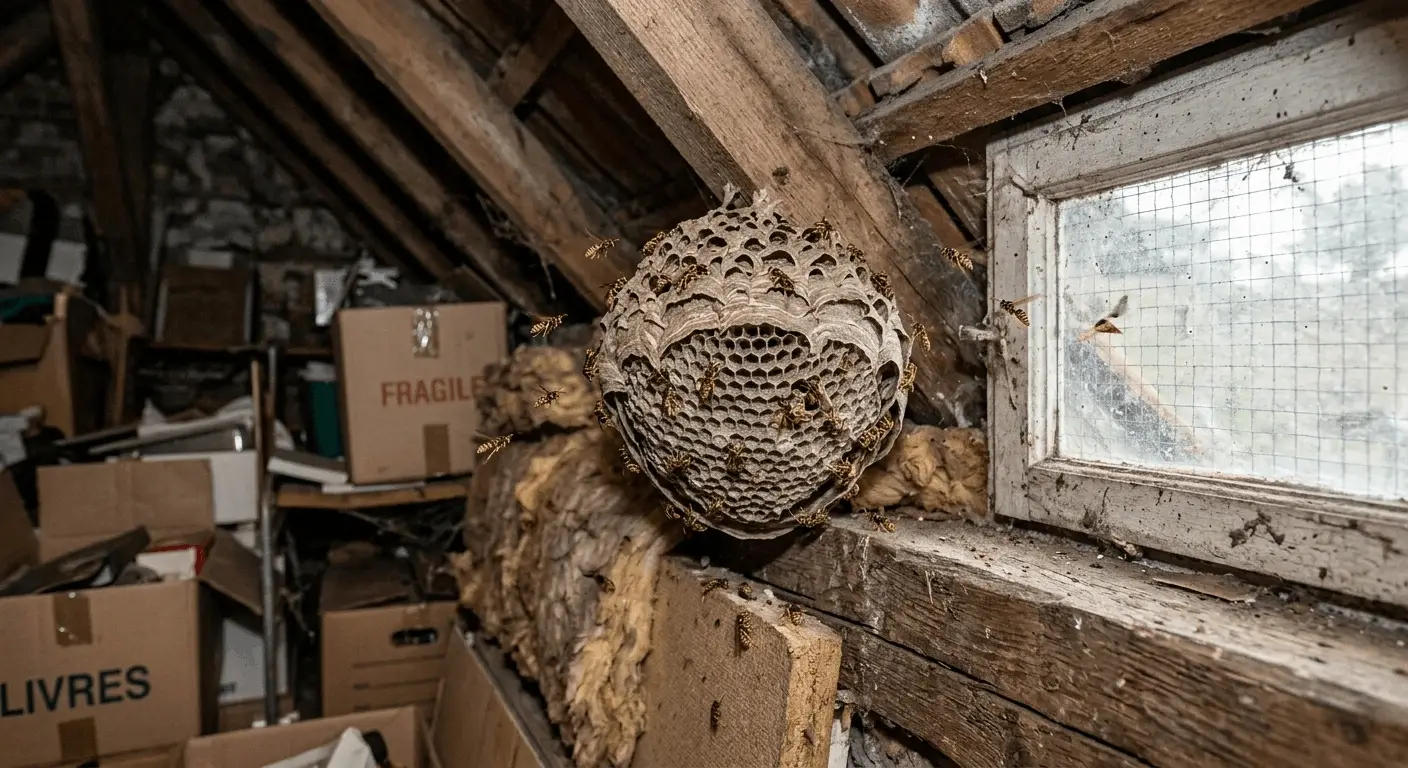 Wasps
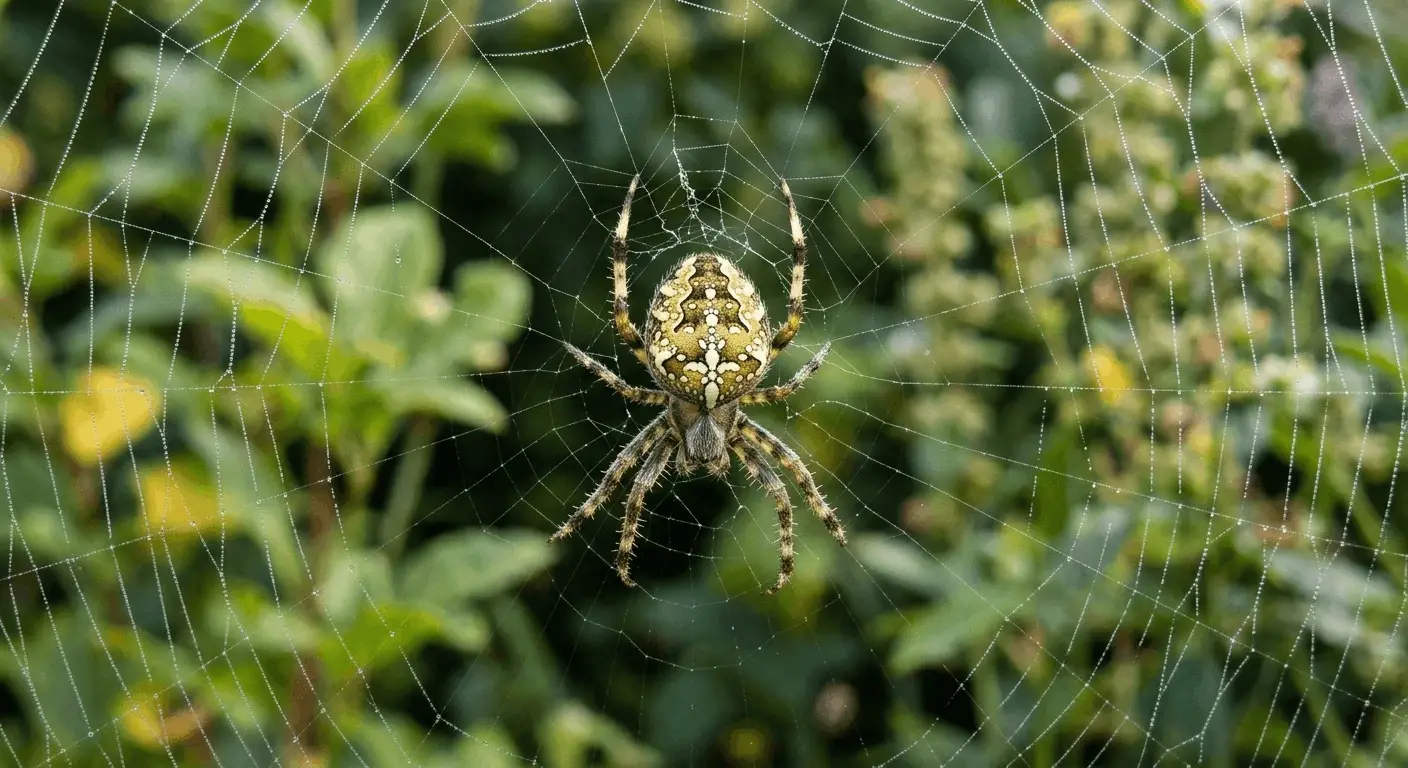 Spiders
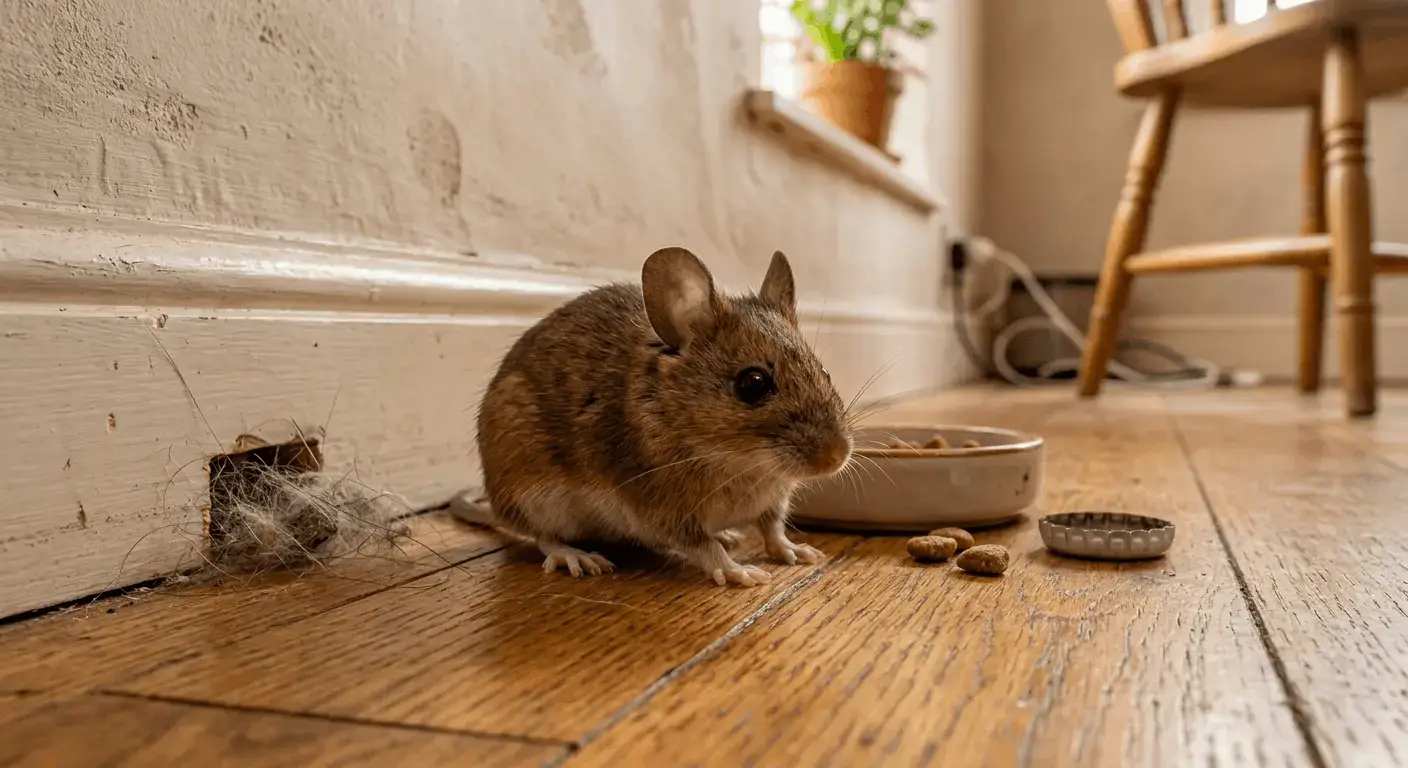 Field Mice
Field mouse vs house mouse: three rodents to tell apart in Quebec
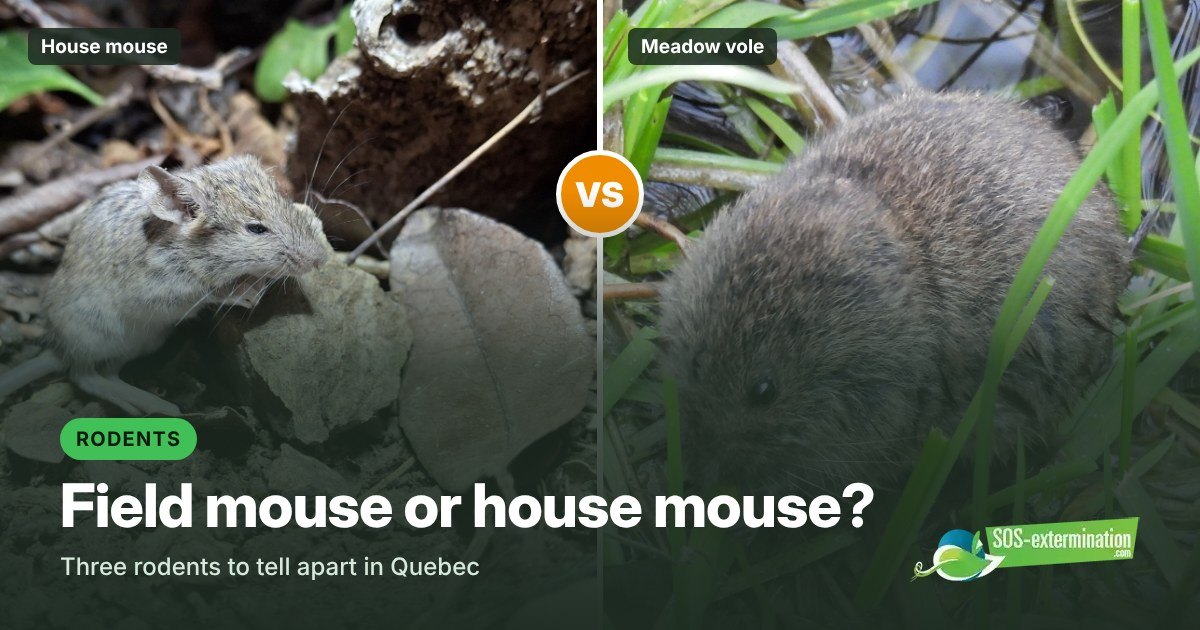
A house mouse has large ears and a long, almost hairless tail, while the “field mouse” of Quebec, the meadow vole, is stocky, with a short tail and ears almost hidden in its fur.
And the little white-bellied mouse that moves into the cottage every fall: is that a field mouse or a house mouse?
In this guide, you’ll learn:
- what “field mouse” actually means in Quebec, in English and in French;
- the traits that separate the house mouse, the deer mouse and the vole;
- the clues to look for in the house, the garage and the yard;
- the precautions against hantavirus and the treatment that suits each rodent.
What “field mouse” means in Quebec
“Field mouse” is a loose name. The Canadian Encyclopedia notes that the familiar field mice are actually voles, and meadow voles are the ones commonly called field mice across Canada. Many pest control companies, on the other hand, use the name for the deer mouse. Francophone Quebecers call the vole a “mulot”, a word that in France refers to the wood mouse (Apodemus sylvaticus), a small European rodent of woods and hedgerows. That species is absent from the rodent identification guide published by Quebec’s wildlife agency (in French).
In everyday use, the names get mixed up: “field mouse”, “wood mouse” and “mulot” often end up describing any small rodent that came in from outside. For an exterminator in Montreal, the name matters less than the species, because the species decides where to look, how to clean up and what to treat.
House mouse, deer mouse and meadow vole
Three groups of small rodents go by these names in southern Quebec. Each has its own shape, habitat and risks.
The house mouse (Mus musculus)
The house mouse is not native to the Americas: it was introduced by the first colonists. It has large ears, large eyes, a pointed snout and an almost hairless, scaly tail. Its fur ranges from light brown to dark grey, with a paler belly. This is the mouse of walls, cupboards and ceilings, living inside buildings, close to people. It gnaws on packaging, insulation and sometimes electrical wiring.
Deer mouse and white-footed mouse
The genus Peromyscus includes two native mice in Quebec: the deer mouse (Peromyscus maniculatus) and the white-footed mouse (Peromyscus leucopus). They have a brown or grey back, a white belly and feet, large prominent eyes and large ears. Their tail is furred and two-toned, with a white underside. The two species look so alike that only a saliva or DNA test can tell them apart, according to Quebec’s rodent identification guide.
Health Canada notes that the deer mouse may invade buildings near fields and woodlands in the fall. A cottage, a shed or a garage next to a wooded lot are typical examples.
The meadow vole, the real field mouse
The meadow vole (Microtus pennsylvanicus) occurs throughout Canada, from grasslands to forests. Like other voles, it has a stout body. Its legs and tail are short, and its ears are nearly hidden by its fur. It makes visible runways in the grass and builds grassy nests above ground. It stays active under the snow cover in winter.
It breeds fast. In many vole species, females become fertile immediately after giving birth. Populations go through cycles that peak every three to four years. Voles can cause losses in hay and cereal crops, and damage fruit trees and ornamental shrubs.
Field mouse vs house mouse: the comparison table
These criteria can be checked on a trapped animal or a clear photo. The tail and ears are often enough to decide.
| Criterion | House mouse | Deer mouse or white-footed mouse | Meadow vole (field mouse) |
| Tail | Long, almost hairless and scaly | Long, furred, white underside | Short |
| Ears and eyes | Large ears, large eyes | Large ears, prominent eyes | Ears almost hidden in fur |
| Body shape | Slender | Slender | Stocky, short legs |
| Fur | Light brown to dark grey, paler belly | Brown or grey back, white belly and feet | Fairly long fur |
| Origin | Introduced | Native | Native |
| Where you find it | Walls, cupboards, ceilings | Buildings near fields or woods, mainly in the fall | Meadows, lawns, flowerbeds |
| Hantavirus | Not on PHAC’s list of carriers | Carriers named by PHAC | Species not on the list (the red-backed vole is) |
A clearly larger, noisier rodent is more likely a Norway rat: see our page on rat extermination.
Signs of field mice or house mice
You rarely see the rodent itself. Where the signs show up, and in which season, often says more than the animal.
Droppings and gnawed packaging in cupboards
Droppings 3 to 6 mm long at the back of cupboards, in the basement or in the attic, gnawed packaging and scratching at night in the walls or ceiling point to the house mouse. Health Canada adds gnawed objects, urine and footprints in dust to the list. Mouse droppings are smaller than a rat’s, which are around 15 mm long.
Fall nests in the garage or cottage
A nest of shredded paper in a shed drawer, nibbled seeds in the garage or a cottage mattress damaged after the first cold nights point instead to a deer mouse or white-footed mouse. These mice come from nearby woods and fields and look for shelter when temperatures drop. They are also the ones that call for the most caution during cleanup.
Runways in the lawn in spring
When the snow melts, runways worn into the grass, grassy nests on the surface and damaged shrubs point to the meadow vole. It spent the winter active under the snow, out of sight. This field mouse lives mostly outdoors: its damage hits the yard far more than the kitchen.
Deer mice and hantavirus: precautions
Mice and rats are carriers of disease, Health Canada reminds us. According to the Public Health Agency of Canada, the deer mouse, the white-footed mouse and the red-backed vole are among the rodents known to carry hantaviruses in North America. These three species are widespread in parts of Canada. Health Canada describes the deer mouse as the most common carrier. The virus spreads mainly by inhaling particles of droppings, urine or saliva stirred into the air, for example while sweeping a nest. In Quebec, the infection remains rare, with six cases reported since 2005. Symptoms can appear one to eight weeks after exposure.
To clean up rodent droppings, Health Canada recommends rubber gloves and a dust mask. Dampen droppings and debris with a solution of bleach and water before wiping up, then wash your hands well. Never sweep or vacuum dry droppings: the dust raised during cleanup can make you sick. Double bag dead rodents in plastic bags, then put them in a garbage bin with a secure lid.
Field mouse or house mouse: which treatment?
The treatment follows the species. Against the house mouse, most of the work happens in the building: finding and sealing the mice’s entry points, then setting snap traps or locked bait stations. A crack the size of a dime is enough for a mouse to get through, according to Health Canada, which recommends steel wool around pipes and metal weather stripping under doors. Against the deer mouse, the same exclusion comes with careful cleanup of the nests. Against the vole, prevention happens mostly outdoors: tall grass mowed, firewood kept away from the foundation, the base of shrubs protected. In Montreal, the pesticide by-law bans six rodenticides outside buildings, including bromadiolone and brodifacoum.
At SOS Extermination, you know the price before the treatment: a fixed price from the online calculator or a free quote. Our certified technicians then inspect the premises and identify the rodent, using the thermal camera when the situation calls for it, before a targeted treatment and exclusion measures suited to the extent of the infestation. We use products registered by Health Canada and print the conditions of the written guarantee on the invoice. For a mouse in the house, see our mouse exterminator service. For rodents coming in from the yard, see our field mouse extermination in Montreal service. For reference, our 2026 exterminator cost guide by pest puts mouse and rat treatment between \$250 and \$900.
Field mouse or house mouse at home?
Describe the rodent you saw and get a free quote, with no commitment, before any treatment.
FAQ: field mouse vs house mouse
Field mouse vs house mouse: what is the difference?
In Quebec, the field mouse is usually a meadow vole: it is stocky, with short legs, a short tail and ears almost hidden in its fur. The house mouse is slimmer, with large ears, large eyes and a long, almost hairless tail. The meadow vole lives mostly outdoors, in the grass, while the house mouse settles in walls and cupboards.
Is a field mouse actually a mouse?
Strictly speaking, often not. The Canadian Encyclopedia points out that the familiar field mice are voles, a different group of rodents from mice. In France, the word mulot refers to the wood mouse (Apodemus sylvaticus), a mouse-like European species. Since the names get mixed up, look at the animal’s tail, ears and body shape to know what you are dealing with.
Are field mice dangerous to your health?
The main risk comes less from the meadow vole than from the deer mouse, which Health Canada describes as the most common carrier of hantavirus. The Public Health Agency of Canada also names the white-footed mouse and the red-backed vole. In Quebec, the infection remains rare: six cases reported since 2005. Health Canada still reminds us that mice and rats carry disease, so any cleanup of droppings calls for precautions.
How do you identify a deer mouse?
The deer mouse has a brown or grey back, a white belly and feet, large prominent eyes and large ears. Its furred tail is two-toned, with a white underside. It looks so much like the white-footed mouse that only a saliva or DNA test can tell them apart. You mostly come across it in buildings near woods and fields, in the fall.
Do field mice get into houses?
The meadow vole lives mostly outdoors, in meadows and lawns, where it stays active under the snow. The small white-bellied rodents found in a garage, shed or cottage in the fall are more likely deer mice or white-footed mice. Health Canada notes that they may invade buildings near fields and woodlands. An inspection confirms the species before treatment.
How can you tell field mouse and house mouse droppings apart?
Droppings from small rodents look very much alike: pellets 3 to 6 mm long, roughly the size of a grain of rice. The location says more than the shape. In a kitchen cupboard, they probably come from a house mouse. In a shed or cottage near the woods, they more likely come from a deer mouse. Either way, dampen them with a solution of bleach and water before picking them up, wearing gloves and a mask.
How do you keep field mice out of your yard?
Mow tall grass along the edges of the lot, keep firewood and clutter away from the foundation, and keep outdoor garbage bins tightly closed. Protect the base of shrubs and fruit trees, which voles damage. In Montreal, six rodenticides have been banned outside buildings since January 1, 2022. For any outdoor bait, the exterminator must hold the City’s annual permit for commercial use.
Do field mice hibernate?
No. Like other voles, the meadow vole stays active under the snow and may even breed there, according to the Canadian Encyclopedia. The deer mouse does not hibernate either. One of its subspecies can go into bouts of light torpor lasting up to several days, with its body temperature dropping several degrees. Fresh signs at the cottage or in the shed in midwinter are therefore no surprise.
A price for your rodent problem
With the online calculator, the fixed price of your treatment appears in about a minute, with no commitment.
Certified exterminators in Montreal for over 30 years. Written warranty on the invoice, thermal camera included, Health Canada-approved products.