 Cockroaches
 Rats
 Mice
 Bed Bugs
 Ants
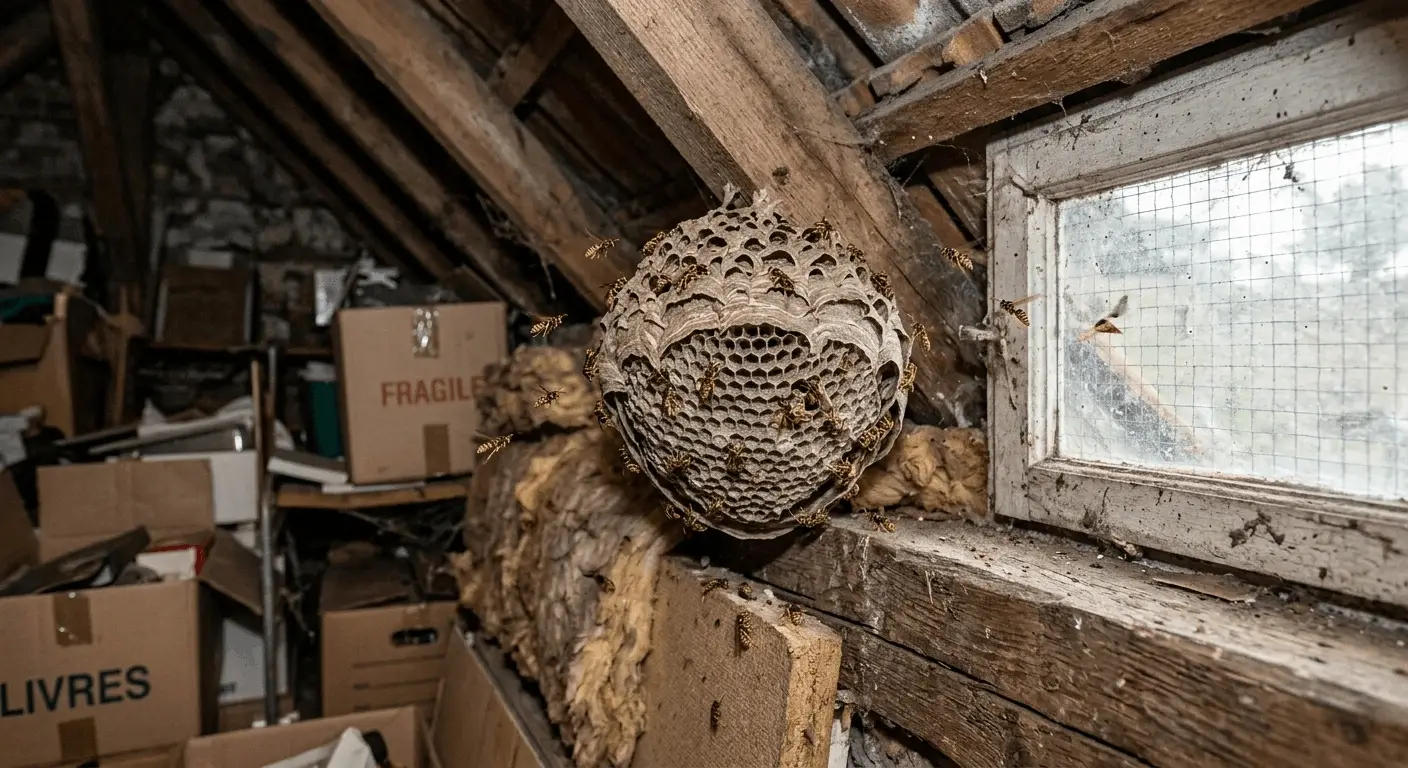 Wasps
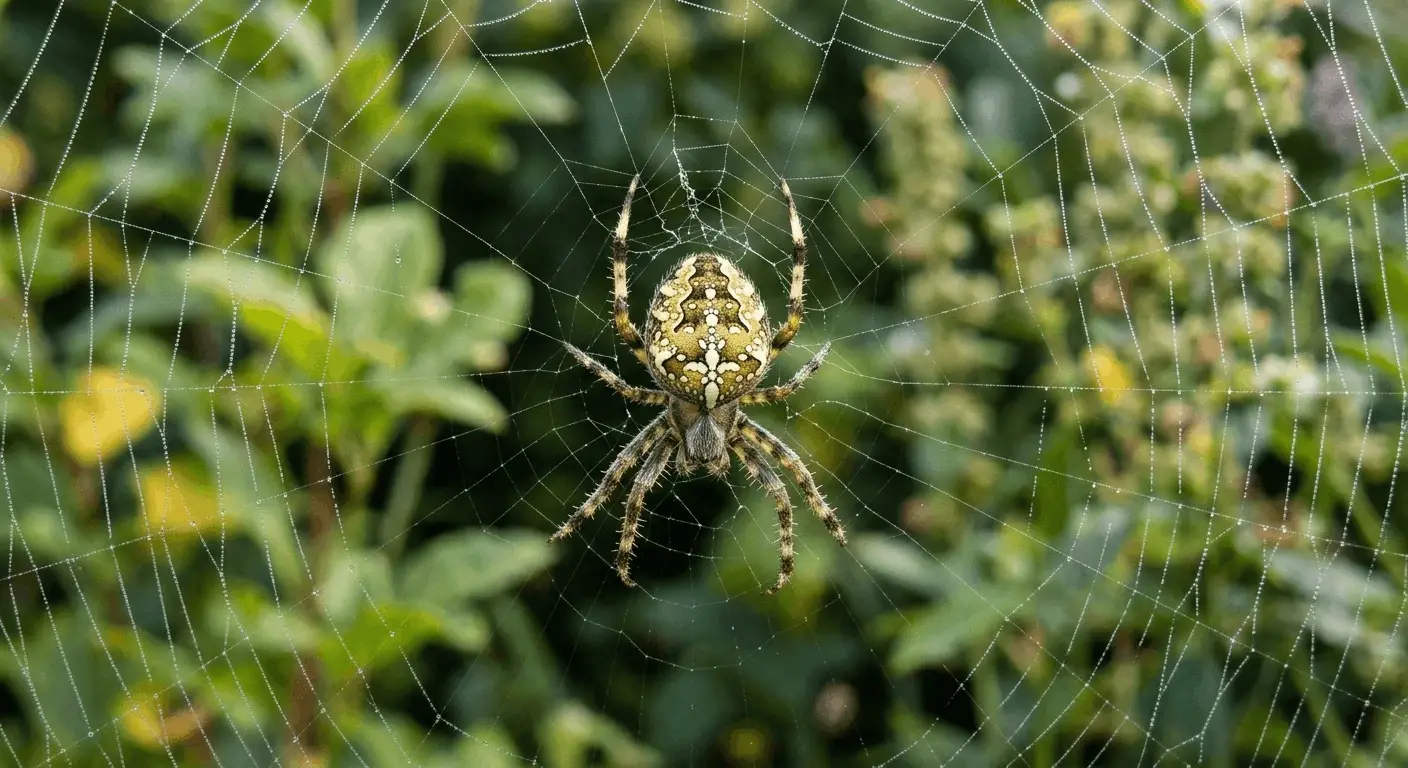 Spiders
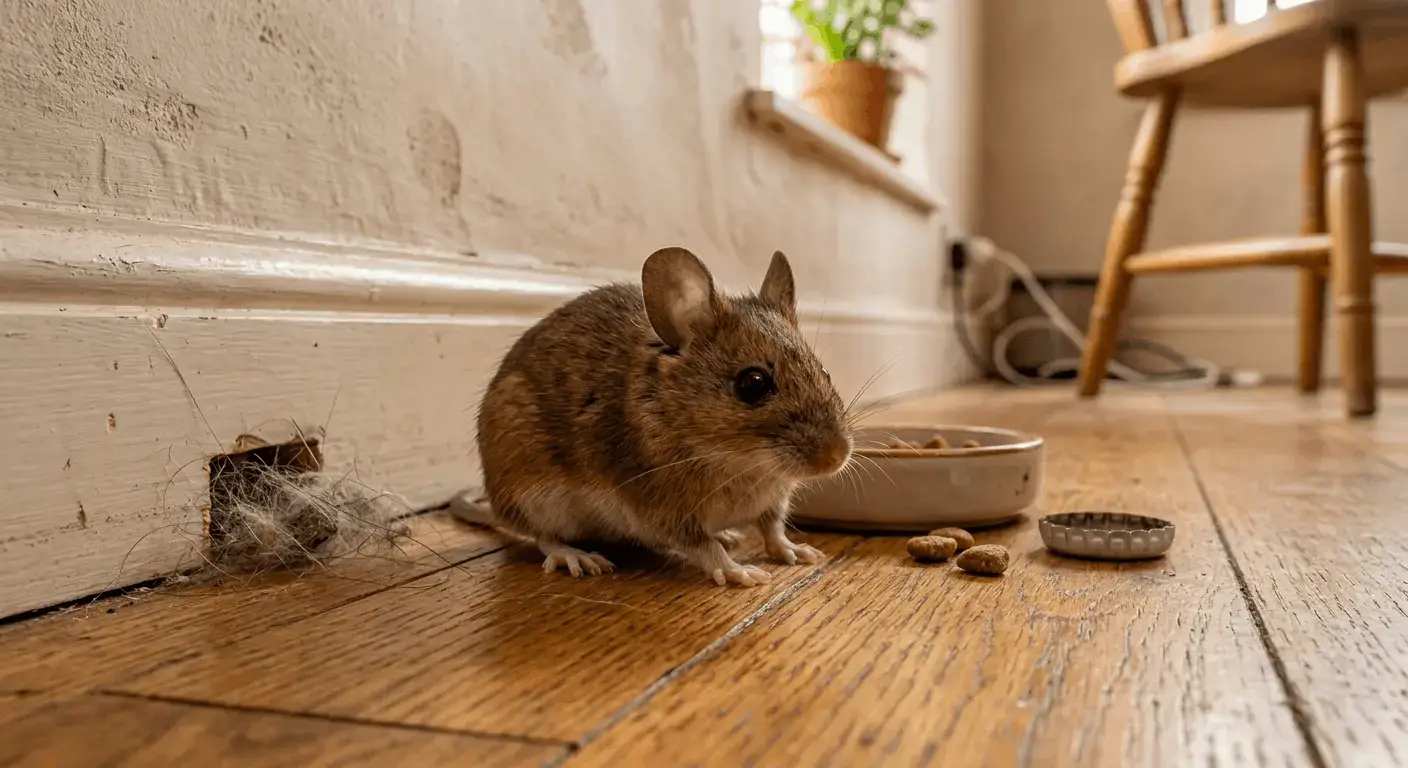 Field Mice
How to exterminate earwigs: indoor removal, traps and prevention
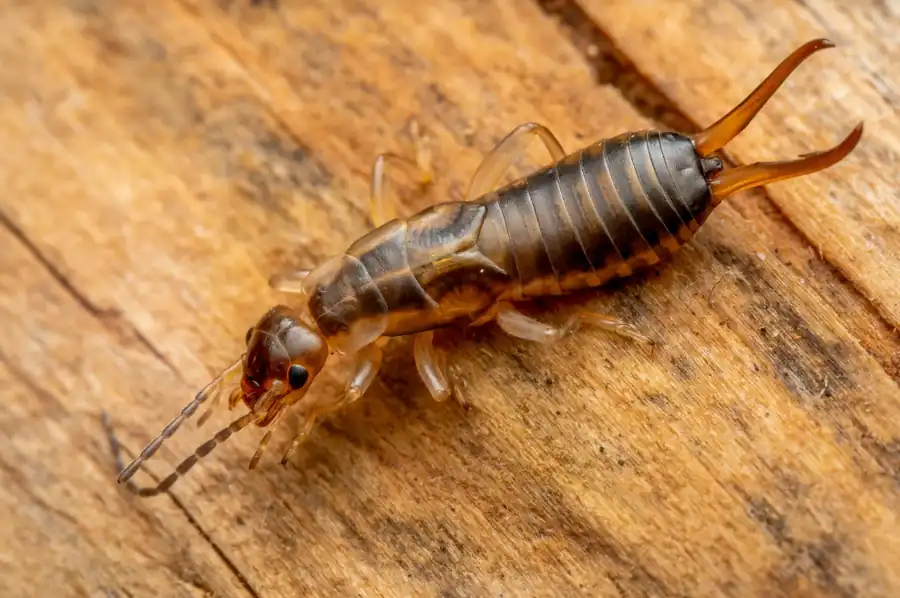
To exterminate earwigs for good, vacuum the ones indoors, trap the rest outside and dry out the damp hiding spots along your foundation, because the earwigs in your basement come from the yard.
So why do pincher bugs keep turning up in the bathroom every summer?
In this guide, you’ll discover:
- how to identify the European earwig and tell it apart from a house centipede;
- why earwigs come indoors in summer and fall;
- the indoor, outdoor and trapping steps that get rid of earwigs without pesticides;
- when an earwig infestation calls for a pest control professional.
How to identify the European earwig
The earwig you are most likely to meet at home is the European earwig (Forficula auricularia), an insect introduced to North America in the early 1900s and often called a pincher bug. Health Canada’s earwig fact sheet describes adults of about 1.5 to 2 cm, with a long, flat, reddish-brown body and antennae about half as long as the body.
The pincers at the tip of the abdomen, called cerci, tell males from females: curved and wide apart on males, slender and straight on females. Earwigs have very short wings and rarely fly. Nymphs look like smaller, paler adults.
Earwigs are harmless to humans
They cannot use their pincers to attack, though a handled earwig may pinch lightly and release a foul-smelling fluid from its abdomen. The old legend about earwigs crawling into ears is folklore. Indoors, they do no harm to your property or your food: an earwig in the house is a nuisance.
Earwig or house centipede: the differences
Both turn up in damp basements in summer. An earwig has six short legs and pincers at the rear, while a house centipede has many long legs and moves much faster. For the long-legged one, see our page on house centipedes in Montreal. Earwigs are a pest you can almost always manage yourself, unlike the mice, cockroaches or bed bugs that more often call for an exterminator in Montreal.
Why earwigs come into your home
Earwigs are moisture-loving insects. During the day, they hide in cool, damp places: under mulch, leaf piles, dense vegetation, doormats, bricks, potted plants and boards. They start foraging at dusk and feed through the night on decaying plant matter, small insects and tender plant shoots.
Health Canada calls them accidental invaders: as they crawl and climb at night, some wander into homes in June or July. They also seek refuge indoors when the weather outside turns too dry, hot or cold, which explains the stragglers on cool fall nights. Outdoor lights near doors draw them in, and earwigs often hitchhike inside in laundry baskets, cut flowers, boxes or garden produce. Once inside, they head for the dampest rooms: the basement, the bathroom, the kitchen and the laundry room.
Earwig life cycle and seasons
Earwigs mate in the fall and spend the winter in pairs, in nests dug into the soil. The female lays a mass of 30 or more eggs, guards them and feeds the young nymphs until their first moult. Eggs hatch in about a week, nymphs leave the nest in late May or early June and reach adult size by late June or early July. There is one generation per year, although some females produce a second brood.
That calendar shapes earwig control. Health Canada puts the best time to start in early spring, when the earwigs are young; Minnesota Extension adds that they most often enter homes in July and August.
How to get rid of earwigs indoors
Indoor earwig removal is mechanical. According to the University of Minnesota Extension, earwigs do not reproduce indoors, an individual earwig does not live long inside, and pesticides are not effective once earwigs are indoors. Spraying baseboards treats the symptom; the source stays outside.
Vacuum or sweep up the earwigs
Pick up the earwigs you see with a vacuum, or a broom and dustpan, then empty the bag or canister into a sealed bag outdoors. A sticky trap placed under the sink or next to the floor drain shows where they come in and how many are still arriving.
Dry out the basement and bathroom
A damp basement becomes less inviting once the humidity drops. Run a dehumidifier in summer, fix dripping taps and leaking pipes, and ventilate the bathroom after showers. Drier rooms also discourage house centipedes and other moisture-loving insects.
Check cut flowers and laundry for earwigs
Inspect cut flowers and vegetables from the garden before bringing them in, and shake out laundry baskets, cardboard boxes and patio cushions stored outside or in the garage.
Remove the outdoor earwig hiding spots
Indoor earwigs come from the yard, so lasting earwig prevention happens outside, along the strip of soil right around the house. Health Canada advises keeping the area around the foundation dry and free of debris.
Thin the mulch where earwigs hide
Mulch holds moisture and often harbours earwigs. Thin it out or pull it back from the foundation wall, and leave a clean, dry border of about 30 to 45 cm, such as a strip of gravel, between the flower beds and the house.
Clear the leaves and wood sheltering earwigs
Rake up leaf piles and grass clippings, and move firewood, lumber, bricks, stones and empty pots away from the walls. Trim the shrubs, hedges, ivy and branches that touch the house: they keep the siding shaded and damp, and earwigs climb well.
Fix drainage, gutters and leaks
Repair leaky outdoor taps, clean the gutters and point the downspouts away from the foundation so water drains off. Water the garden deeply but less often, preferably in the morning, so the soil surface dries during the day.
Dim the lights that attract earwigs
Earwigs are drawn to light. Switch off the porch lights you do not need, aim fixtures away from doors and windows, or use yellow sodium vapour lights, which attract fewer insects.
Earwig traps that work
Trapping is the backbone of outdoor earwig control, especially in spring when earwigs are young. Every trap relies on the same habit: before sunrise, earwigs look for a tight, dark, damp place to hide.
Rolled cardboard earwig traps
Roll a piece of corrugated cardboard or a few sheets of damp newspaper, hold it with an elastic band and stand it in the flower bed in the evening. Short sections of garden hose, bamboo tubes or an upside-down flower pot stuffed with moist straw work the same way.
Oil earwig traps in a shallow can
A low-sided can, such as a tuna or cat food can, with about 1 cm (1/2 inch) of vegetable oil or fish oil in the bottom makes an effective trap. Sink it to soil level near plants that show ragged holes in their leaves.
Empty the earwig traps every morning
Check the traps in the morning and shake the earwigs into a pail of soapy water. Move the traps to wherever the catch is highest and keep trapping for a few weeks: the daily count shows whether the mulch, debris and moisture changes are working.
Seal earwig entry points
Earwigs get in through openings at ground level. Caulk the cracks and gaps around the foundation, especially around doors and windows, at the junction of the siding and the foundation, and around faucets, vents and utility lines. Add weatherstripping or a door sweep to basement and ground-floor doors so they close tight, and repair torn window screens.
Penn State Extension notes that earwigs are hard to keep out completely, even with screens. Sealing still blocks most of them. The same work also helps keep out spiders in the basement, ant infestations and other crawling insects.
Insecticides for earwigs: read the label
With the steps above, insecticide treatments should rarely be needed. In Montreal, check local rules first, because outdoor pesticide use is regulated. When an earwig problem persists, Health Canada recommends treating the outdoor source rather than the inside of the house, around foundations, sidewalks, fences, hedges and woodpiles. Choose only a product registered by Health Canada, identified by the Pest Control Products (PCP) number on its label, and follow the label directions exactly: the label tells you which pest, where and how much. Health Canada also advises against using baits inside the home.
The same fact sheet lists diatomaceous earth, a fine powder made of crushed microscopic marine fossils, as an option: it is non-toxic to humans and pets, but avoid inhaling the dust, and it stays active only until water washes it away. Montreal has banned 33 pesticide ingredients since January 1, 2022 (page in French), and the city recommends safer alternatives first.
When to call a pro for earwigs
Call for professional help when the earwig infestation is heavy or recurring: dozens of earwigs indoors every day for weeks despite trapping, drying and sealing, or the same invasion every summer. That pattern often points to a building issue, such as a damp crawl space, a foundation crack, poor drainage or a wet wall. Minnesota Extension notes that when populations are high, problems may persist despite these efforts.
A professional inspection identifies the insect, finds the moisture source and the entry points, then recommends targeted work under an integrated pest management approach. Damp, softened wood near the foundation deserves a closer look too: compare it with the signs of a carpenter ant infestation.
FAQ: earwigs
Do earwigs bite or pinch people?
Earwigs do not bite, and they cannot use their pincers to attack. An earwig picked up by hand may give a light pinch with its cerci and release a foul-smelling fluid from its abdomen as a defence. Health Canada states that earwigs are not directly harmful to humans. Indoors, an earwig is a nuisance pest rather than a health risk for your family.
Why are there earwigs in my bathroom?
Bathrooms, kitchens, laundry rooms and basements hold the moisture earwigs need. They usually come in at ground level through gaps around doors, windows and the foundation, then settle in the dampest room they find, often near a drain or under the sink. Reduce the humidity, fix any leak and seal the gaps outside: once the room dries out, it becomes far less inviting.
Do earwigs lay eggs inside the house?
Earwigs do not reproduce indoors. The female lays her eggs outdoors, in a nest dug in the soil between late fall and early spring, and guards them until the nymphs hatch. An earwig that wanders inside does not live long. If you keep finding earwigs, the population is breeding in your yard, usually in mulch, leaf litter or moist soil near the foundation.
What is the best homemade earwig trap?
Two traps stand out. The first is a rolled-up piece of corrugated cardboard or damp newspaper, held by an elastic band and stood in a flower bed. The second is a tuna can with about 1 cm of vegetable oil, sunk to soil level. Set the traps in the evening, check them in the morning and shake the catch into soapy water.
Are earwigs good or bad for the garden?
Both. Earwigs are scavengers and predators: they eat decaying plant matter, aphids, insect larvae and slug eggs, which helps the garden. They also chew tender shoots, leaves and blossoms, and large numbers can damage seedlings, soft fruit, sweet corn, dahlias, marigolds and hostas. Keep their numbers low with traps and habitat changes rather than trying to eliminate every earwig.
When are earwigs most active during the year?
Earwigs spend the winter in soil nests. Nymphs leave the nest in late May or early June and become adults by late June or early July. They most often enter homes in July and August and stay active through the fall, until cold weather sends them back underground. For outdoor control, start in early spring, while the earwigs are young.
Does diatomaceous earth work on earwigs?
Health Canada lists diatomaceous earth among the options against earwigs. It is a fine powder made from crushed microscopic marine fossils, non-toxic to humans and pets, though you should avoid breathing the dust while applying it. It stays active only until water washes it away, so it works best in dry spots. Buy a product with a PCP number and follow the label.
Why are there so many earwigs this year?
Earwig numbers vary from year to year with the weather. Penn State Extension links high populations to periods of warm, humid weather, and a hot, dry spell can then push them toward the moist edges of houses. A wet spring, thick mulch and clogged gutters near the foundation can all favour a larger population right next to your walls.
Certified exterminators in Montreal for over 30 years. Written warranty on the invoice, thermal camera included, Health Canada-approved products.