 Cockroaches
 Rats
 Mice
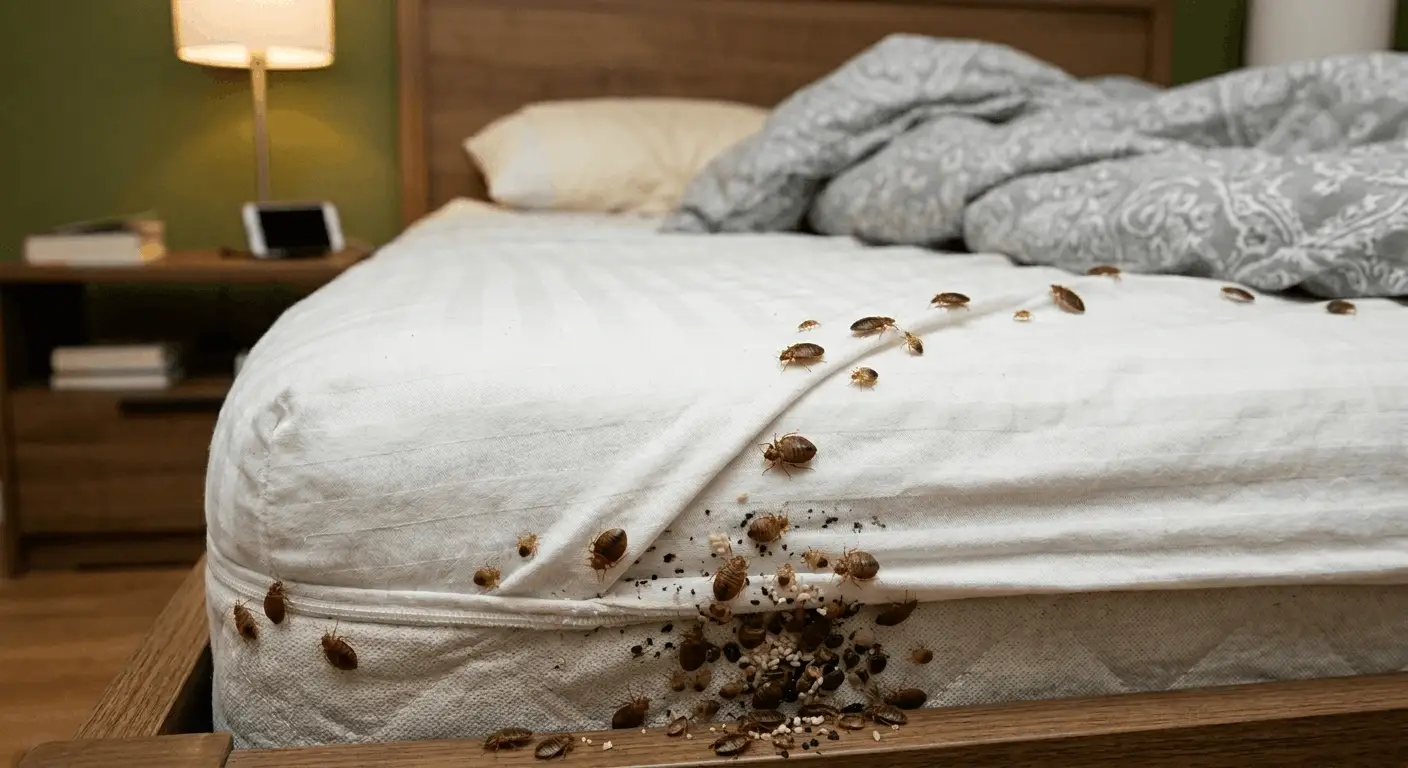 Bed Bugs
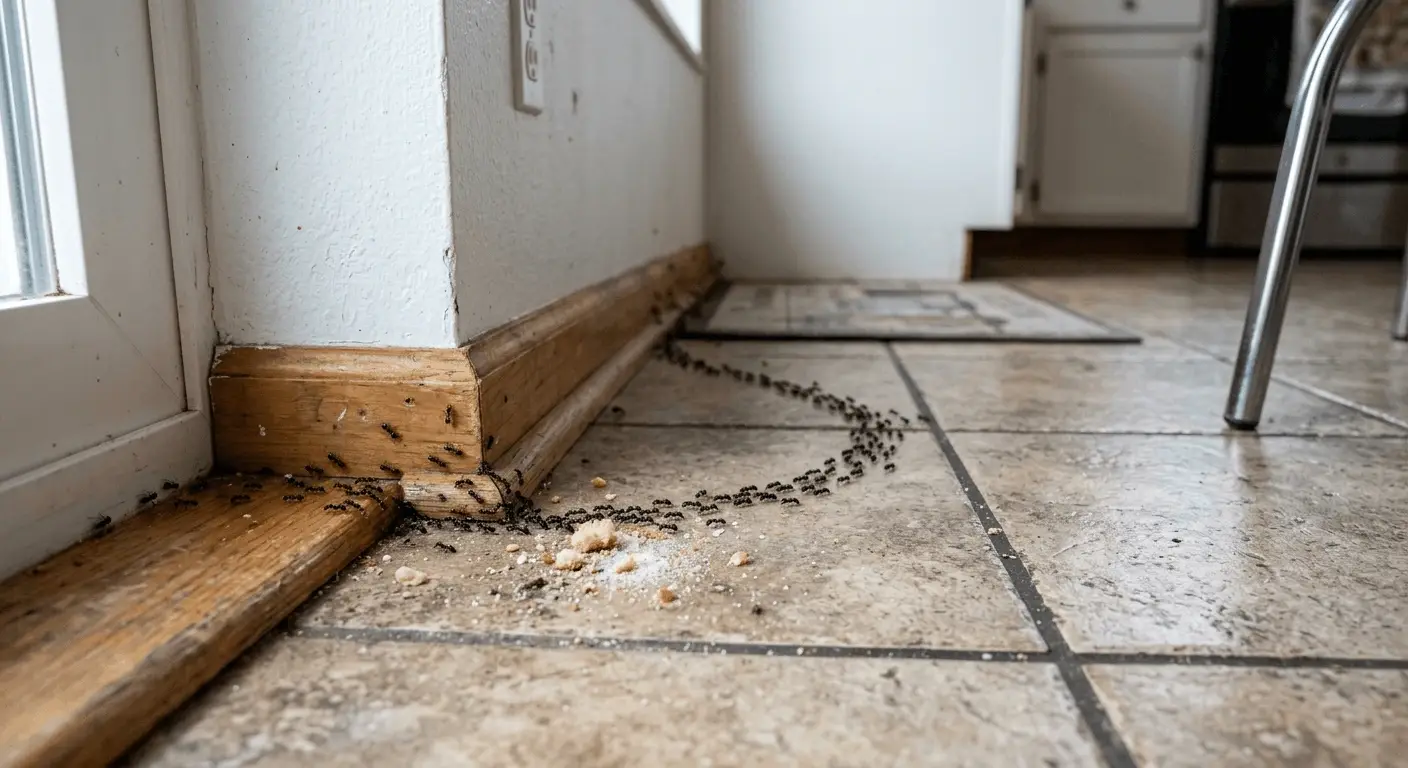 Ants
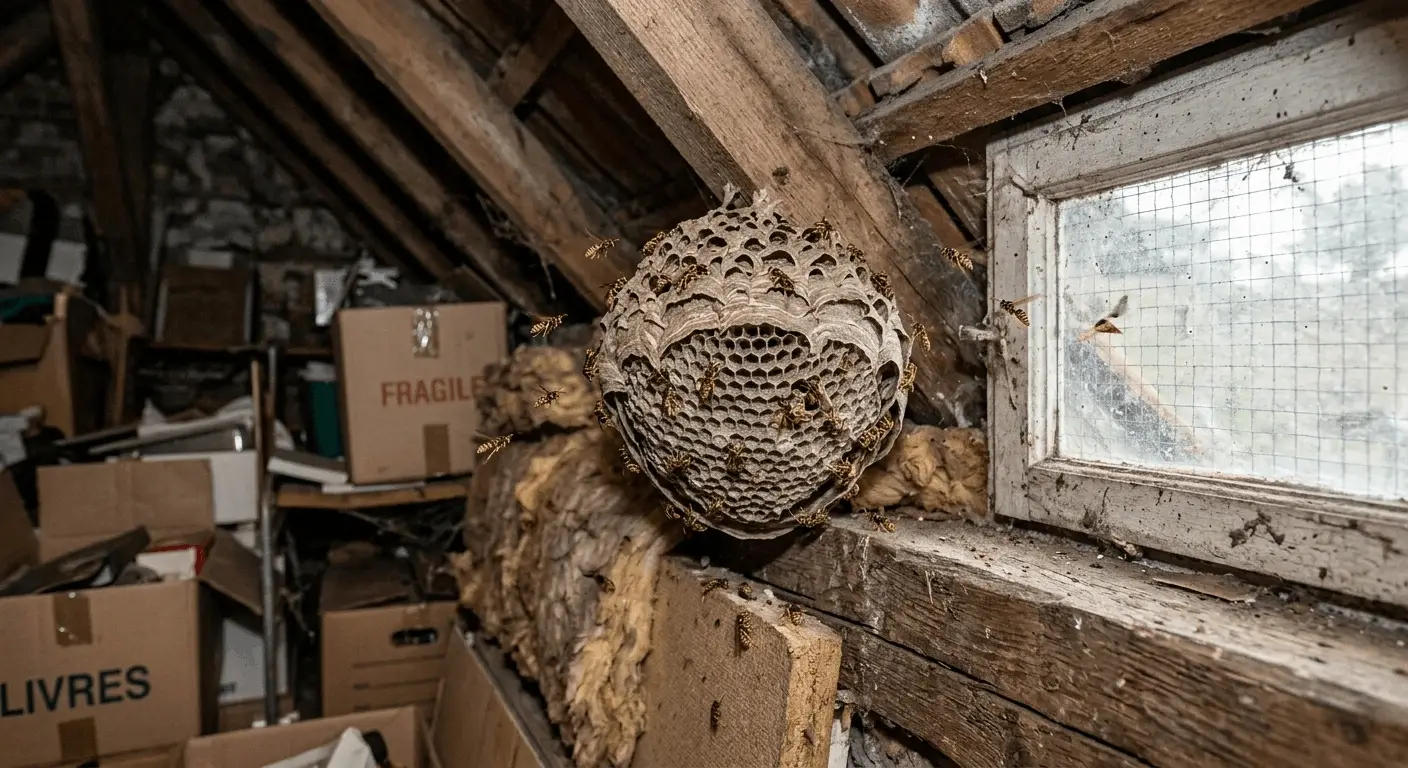 Wasps
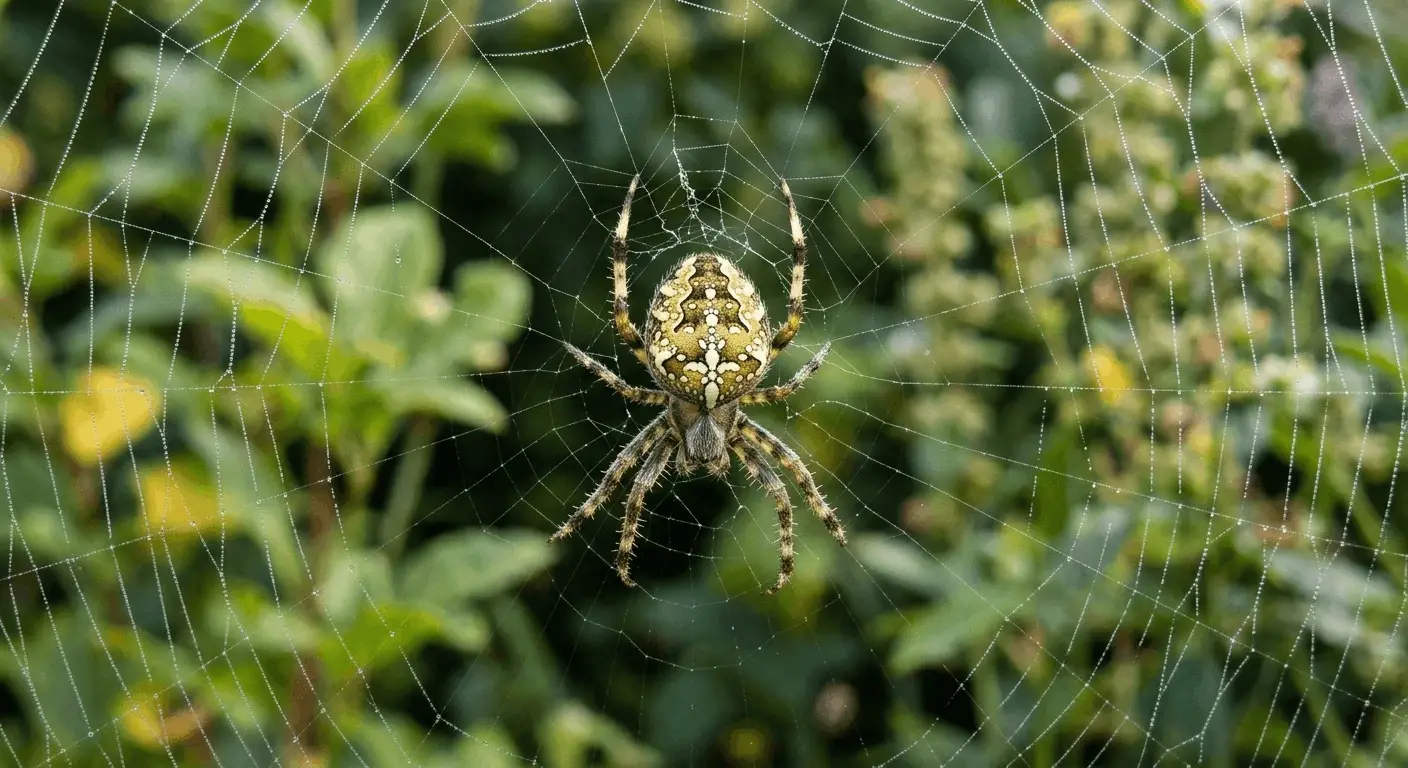 Spiders
 Field Mice
How to exterminate fruit flies: find the source, then trap
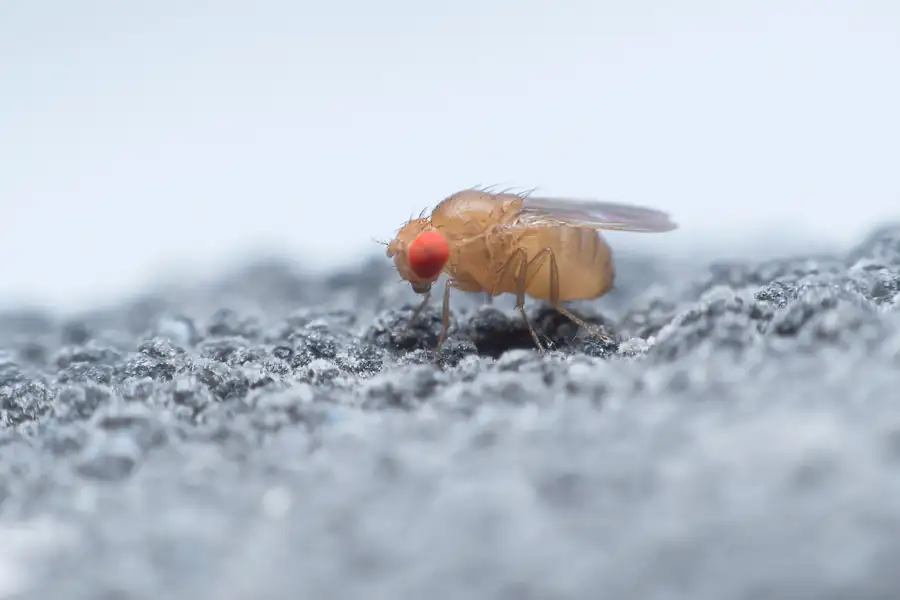
To exterminate fruit flies, remove what they breed in (overripe produce, a slimy drain, a forgotten recycling bin, a soured mop), then trap the adults for about a week, the time it takes the last eggs and larvae to become adults.
So why are they back three days after you threw out the bananas?
In this guide, you’ll discover:
- how to tell fruit flies from drain flies, phorid flies and fungus gnats;
- where fruit flies breed in a kitchen, including the spots people miss;
- a five-step method to get rid of fruit flies, with traps that catch them;
- how to keep fruit flies from coming back.
How to recognize a fruit fly
A fruit fly (genus Drosophila, family Drosophilidae, also called a vinegar fly) measures 3 to 4 mm, about 1/8 inch, with a tan to brown body, short three-segmented antennae and, in most species, red eyes, as Penn State entomologists describe it. The best-known species is Drosophila melanogaster. It hovers slowly over the fruit bowl, the sink, the compost container and open bottles of wine or beer, and it is a nuisance pest rather than a structural one.
Fruit flies are a sanitation problem you can almost always solve yourself, which sets them apart from bed bugs or mice, pests that more often call for an exterminator in Montreal. If the insect you see is fuzzy, rises from a houseplant or seems to come up from the floor, read the section on look-alikes below first: the method changes with the species.
Fruit fly life cycle: why they multiply
Like all true flies (order Diptera), this insect develops in four stages: egg, larva, pupa and adult. A female lays her eggs near the surface of fermenting food or other moist organic material and, given the chance, lays about 500 of them. The larvae feed on the yeast growing in that material, then pupate and emerge as adults. The University of Kentucky’s fruit fly fact sheet puts the whole cycle, from egg to adult, at about a week; Wisconsin Extension gives eight to 10 days.
Two consequences follow. A fruit bowl you cleared this morning can still release adults for days, because the eggs and larvae sit elsewhere: in the sink, the garbage can or the recycling. And many infestations start with overripe produce that was already infested when it came home, so a bruised spot on a peach or a tomato is worth cutting away and discarding.
Where fruit flies breed in your home
Fruit flies breed wherever something sweet ferments in a moist spot. Inspect these sites in order, starting in the room where you see the most adults.
Fruit flies in produce, potatoes and onions
Overripe bananas, tomatoes and soft fruit left on the counter are the obvious source. The one people miss is a rotting potato or onion at the bottom of a storage bin in the pantry: the University of Kentucky warns that a single forgotten one can breed large numbers of flies.
Fruit flies in drains and garbage disposals
Kitchen sinks and garbage disposals collect a gelatinous film of food residue, and Penn State lists pipes with that scum among vinegar fly breeding sites. To test one, tape a clear plastic food storage bag over the opening overnight: if flies are breeding inside, the adults emerge and are caught in the bag.
Recycling bins, garbage cans and spills
Unrinsed juice, soda, beer and wine containers, a recycling bin in the basement that is rarely emptied, garbage cans with residue in the bottom and sticky spills under the refrigerator or stove all hold enough sugar to raise a new generation.
Mops, rags and compost
Damp mops, mop buckets, sponges and soiled cleaning rags are classic breeding sites in any kitchen. A kitchen compost container is moist organic matter too: empty it often and keep the lid closed.
How to exterminate fruit flies in 5 steps
Follow these five steps in order: together they end an infestation in about one life cycle, provided every breeding site is gone.
1. Remove every fruit fly breeding source
Throw out overripe or damaged produce in a sealed bag, take out the garbage and the recycling, then wash the bins. Store ripe fruit and vegetables in the refrigerator until the flies are gone.
2. Scrub the drains with a brush
Pouring bleach or boiling water down the sink feels thorough but leaves the film where the larvae live: Purdue Extension states that bleach and hot water will not eliminate breeding sites in drains. Scrub the inside of the pipe, the overflow and the garbage disposal with a stiff brush and a commercial cleaner, then use an enzyme-based product to keep the film from rebuilding. Never combine a drain cleaner with bleach, and switch off the garbage disposal before brushing it.
3. Trap the remaining adult fruit flies
Once the sources are gone, traps catch the flies still around. Set one wherever you see them; the next section explains which trap to build.
4. Keep trapping fruit flies for a week
Eggs and larvae you missed keep turning into adults for several days. Empty and reset the traps every two or three days and repeat the bag test on each sink. If the count stays high after a week, a source is still hiding: check under appliances, behind the garbage can and in the basement.
5. Repair window and door screens
They also fly in from outside through poorly screened windows and doors. Because they are so small, Penn State recommends screening of 16-mesh or finer.
Fruit fly traps that work
A trap only reduces the number of flies. It works best after step 1, as a way to catch the last flies and to monitor whether the infestation is fading.
Apple cider vinegar fruit fly trap
Pour a few centimetres of apple cider vinegar into a jar and add a drop of dish soap so the flies sink. Roll a sheet of paper into a funnel and set it in the mouth of the jar, narrow end down, just above the liquid: the flies follow the smell in and rarely find the way out. The University of Kentucky describes this funnel jar trap baited with cider vinegar; the drop of soap is optional.
Wine, beer or ripe fruit bait
A jar baited with a slice of ripe banana or pear, or a little wine, works the same way with a funnel on top. Wisconsin Extension adds that an old wine bottle with residue in the bottom catches them on its own.
Insect light traps for small flies
Insect light traps also attract fruit flies, phorid flies (males only), moth flies and fungus gnats, according to Purdue Extension. Like every trap, they act on adults only, so they monitor and reduce a fruit fly infestation, which ends only when the sources are gone.
Fruit fly sprays and insecticides
Spraying the adults is the weakest form of fruit fly control: it gives short-lived relief, and a fly swatter removes a few more. The University of Kentucky warns that the problem will continue no matter how often insecticides are applied to the adults, and Penn State adds that the larvae continue to develop. A homemade spray of vinegar and soap has the same limit.
If you still choose an insecticide, use a product authorized in Canada. Health Canada asks you to read every label instruction and warning before using a pesticide and to look for the Pest Control Product (PCP) registration number on the label. Cover or remove food, dishes and utensils first, air out the room afterward and store the product out of reach of children and pets. For pests where a professional treatment is the better route, our guide to pest control costs gives budget references by pest.
Not fruit flies? Drain flies, phorids, fungus gnats
House flies are much larger and easy to rule out, but several small flies get mistaken for fruit flies in kitchens and bathrooms. Identify the fly before you treat, because each one breeds somewhere else.
Drain flies, also called moth flies
Drain flies have hairy wings that give them a moth-like look, and they flutter weakly near sinks, tubs and showers. Their larvae live in the slimy organic matter coating sink and shower pipes, and UC IPM reports that the moth fly life cycle can be completed in as little as 8 days. The same guide calls the belief that boiling water or bleach controls them a common misconception and discourages insecticides in homes: scrubbing removes the film.
Phorid flies, the humpbacked flies
Phorid flies have a humpbacked thorax and a small head, and they lack the red eyes of a fruit fly, according to Purdue Extension. They breed in decaying organic matter, and the University of Maryland Extension notes that a large population on the ground floor may indicate a broken drain or sewer line under the building. In a plex or condo, that is a plumbing repair, and it helps to know who pays for extermination in an apartment building before work starts.
Fungus gnats in potted plants
Fungus gnats come from houseplants rather than the fruit bowl. Purdue Extension notes that their larvae feed on fungus growing in wet soil, which is why letting the potting soil dry between waterings is the usual fix.
How to prevent fruit flies year-round
Fruit fly prevention is a short routine, and it matters most in summer and early fall, when more ripe produce sits in the kitchen.
- Keep ripe fruit in the refrigerator and cut away damaged spots.
- Rinse cans, jars and bottles before they go in the recycling bin.
- Take out the garbage and the compost often, and wash the bins.
- Wipe up juice, soda, beer and wine spills right away, including under appliances.
- Rinse and dry mops, sponges and rags after each use.
- Brush the kitchen sink and floor drains on a regular schedule.
- Keep window and door screens in good repair.
FAQ: how to exterminate fruit flies
How long does it take to get rid of fruit flies?
Plan on about a week once every breeding source is gone. That is roughly the length of one fruit fly life cycle, from egg to adult, so eggs and larvae you missed keep emerging for several days. If you still catch many flies in your traps after a week, a source remains: check sinks, recycling, mops and stored potatoes or onions.
Why do fruit flies keep coming back?
They come back because a breeding site is still active. Throwing out the fruit removes the attraction, but eggs and larvae may be developing in a sink film, a recycling bin, a damp mop or a rotting onion. New infestations also arrive with produce that was already infested when it was brought home, and adults can fly in through damaged window screens.
Where do fruit flies come from in a clean kitchen?
Usually from a spot that looks clean but stays moist and sugary: the gelatinous film inside a sink drain or garbage disposal, residue in unrinsed bottles and cans, spills under the refrigerator, or a forgotten potato in the pantry. Taping a clear plastic bag over the opening overnight shows whether flies are breeding there.
Does bleach down the drain kill fruit flies?
Not reliably. Bleach or boiling water passes through the pipe quickly and leaves most of the organic film where larvae develop. Extension entomologists at Purdue state that bleach and hot water will not eliminate breeding sites in drains. Scrub the pipe with a stiff brush and a cleaner, then use an enzyme-based product to keep the film from rebuilding.
What is the best homemade fruit fly trap?
A jar with a few centimetres of apple cider vinegar, a drop of dish soap and a paper funnel set narrow end down in its mouth. Flies follow the smell in and rarely find the way out. Ripe banana or a little wine works as bait too. A trap reduces adult numbers, so use it after removing the breeding sources.
Are fruit flies dangerous to your health?
Fruit flies are mainly nuisance pests. The University of Kentucky notes, however, that they have the potential to contaminate food with bacteria and other disease-producing organisms. Throw out food they have landed on repeatedly, and keep fruit covered or refrigerated during an infestation.
How do I tell fruit flies from drain flies?
A fruit fly is tan to brown, smooth-looking and usually has red eyes; it hovers around fruit, wine and garbage. A drain fly has fuzzy, hairy wings that make it look like a tiny moth, and it flutters or hops weakly near sinks and showers. Both can breed in a dirty sink, and both call for the pipe to be scrubbed.
Certified exterminators in Montreal for over 30 years. Written warranty on the invoice, thermal camera included, Health Canada-approved products.